

The local context
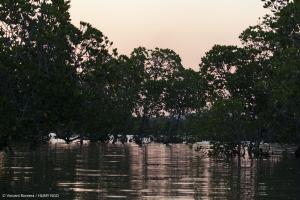
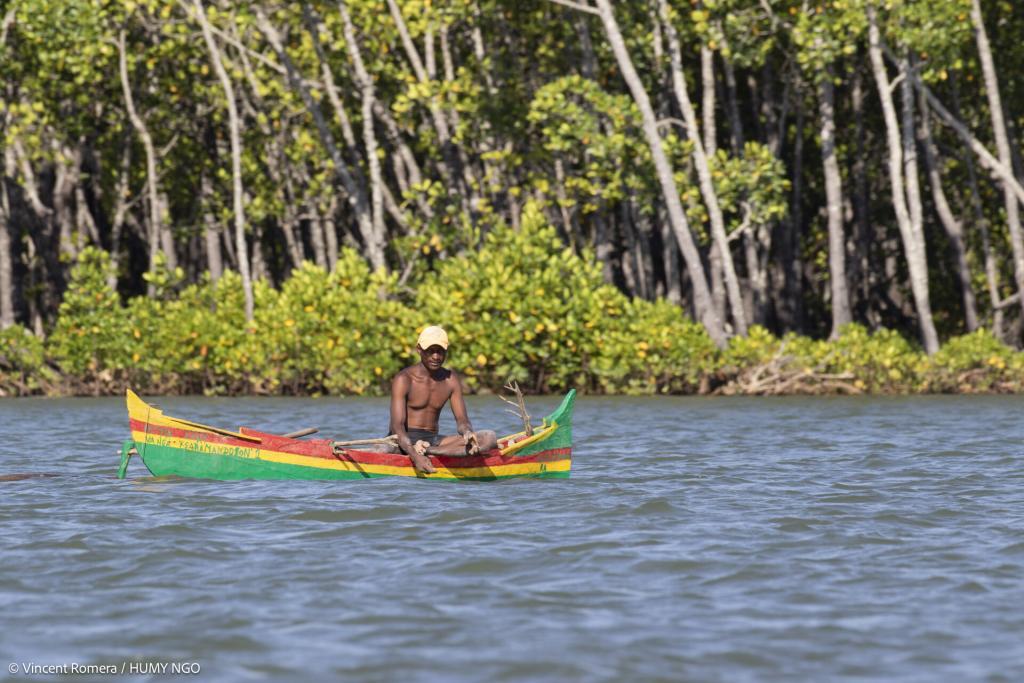
The Sakalava coast (north-west) still benefits from the presence of large mangrove blocks, but they are victims of deforestation. Mangroves are considered «critical» ecosystems because they provide numerous services such as filtering and depolluting continental waters, storing carbon, producing oxygen, etc. They are also important breeding grounds for a large number of marine species. They are also important breeding grounds for many marine species.
The Ambohidravy site also has a forest (on firm ground) isolated on a hill, which is sacred to the local population. Unfortunately, a number of outside communities are exploiting this woodland, resulting in a conflict situation. With the support of HUMY, L'Homme et l'Environnement is therefore deploying a conservation and community support project on the site to help protect the site by reducing illegal activities.
Project objectives
Protection of forest environments on the site and maintenance of ecosystem services.
Support for the reforestation of degraded forests, including mangrove areas.
Creating alternative income for communities, including the wild vanilla sector.
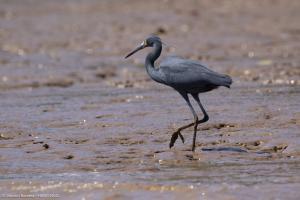
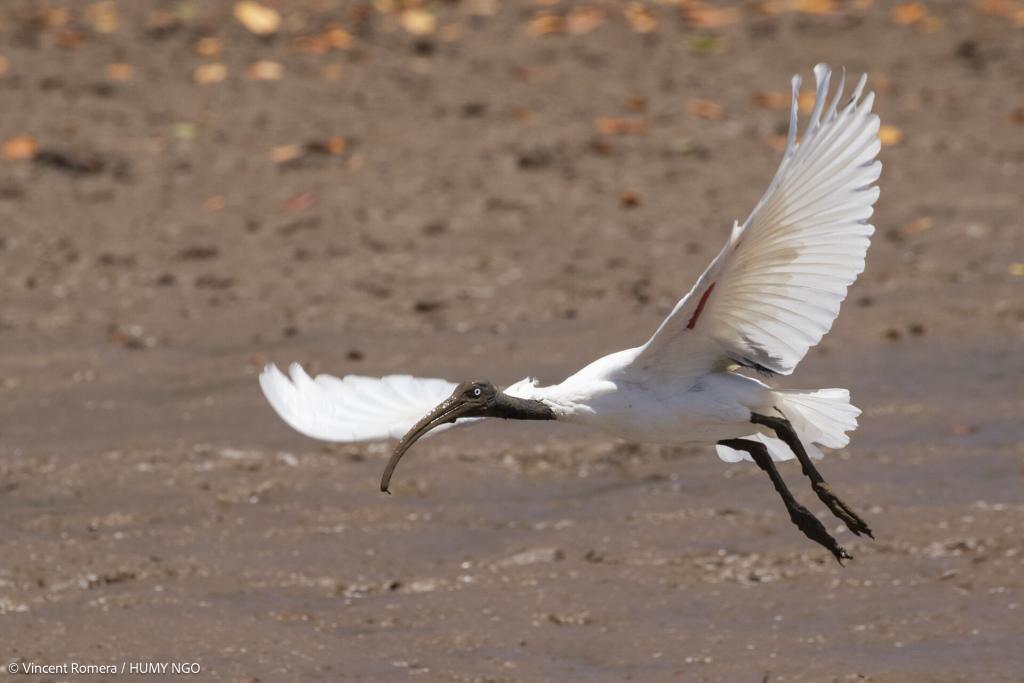
Madagascar Sacred Ibis (Threskiornis bernieri)
Issues
In addition to its forest habitats and ecosystems, the site is home to a wide variety of flora and fauna. 242 plant species, 79 bird species, 23 mammal species (including 9 lemurs) and 36 reptile species have been inventoried.
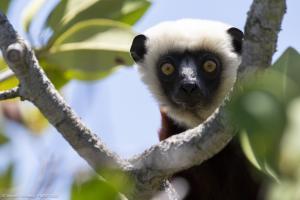
Of these species, 42 are near-threatened or endangered, and several are particularly rare, such as the Coquerel's sifaka lemur (Propithecus coquereli) and the Madagascar Eagle (Haliaeetus vociferoides), with both species assessed as critically endangered. The eagle is one of the rarest birds of prey on the planet, with a total population estimated at just a hundred pairs. The Sacred Ibis of Madagascar (Threskiornis bernieri), assessed as endangered by the IUCN, also frequents the site.
Already completed
Paying the salaries of the site's eco-guards.
Reforestation of 13.8 hectares, including mangroves.
Helping to set up a vanilla production chain under forest cover (10,000 cuttings).
Equipping the women's centre.
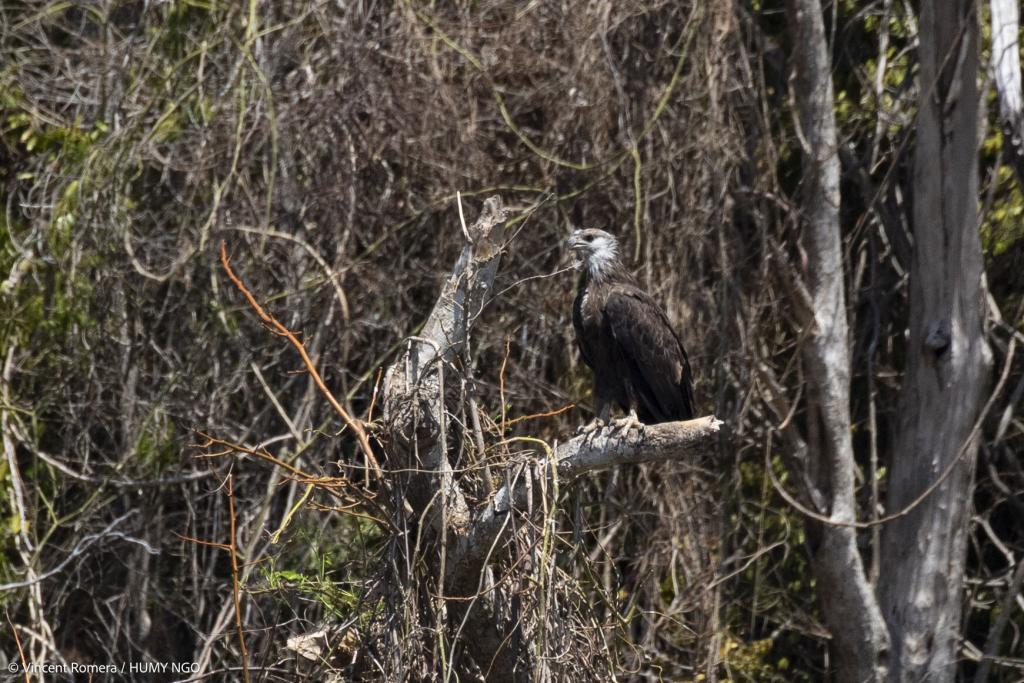
Madagascar eagle (Haliaeetus vociferoides)