

The local context
Located in south-west Madagascar, around a hundred kilometres north of the Isalo National Park, the Makay massif covers almost 5,500 km.2. Highlighted for the 1era Once discovered by the famous TV programme «Ushuaïa Nature» in early 2000, it was later Evrard Wendenbaum and the NGO Naturevolution who organised numerous scientific expeditions to unlock the secrets of the massif.
The region in which the Makay is located is an area of extreme human pressure, with bush fires ravaging large areas every year. The landscapes here are steppe-like and even semi-desert! This isolated massif, uninhabited at its heart, is a veritable haven of peace for many species. Species diversity and raptor densities are high here, for example.

Project objectives
Support the conservation of this exceptional and unique massif.
Aid for reforestation of degraded areas.
Help with financing income-generating activities (bee-keeping, market gardening, etc.).
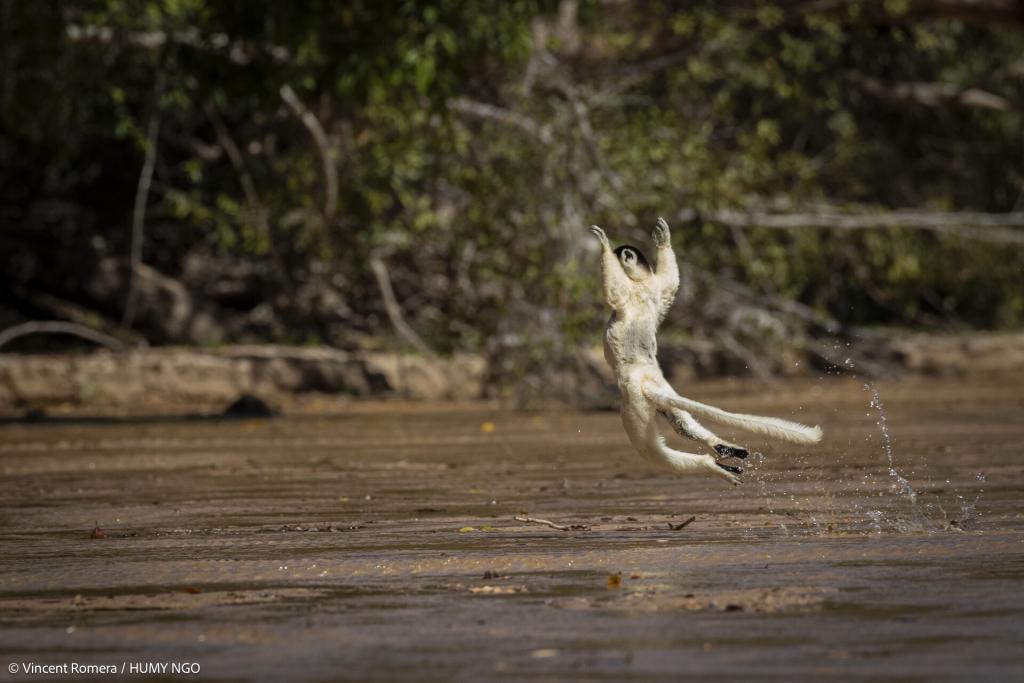
Verreaux's sifaka (Propithecus verreauxi)
Issues
The Makay massif is home to a rich and diverse flora, including a palm tree endemic to just a few canyons! More than 400 plant species have been inventoried here, 34 of which are considered threatened. The fauna is equally diverse, with over 110 species of birds, 53 reptiles, 21 frogs and 31 mammals (including 11 lemurs). 28 of these animal species are threatened, and some are particularly rare in the country, such as the Verreaux sifaka (Propithecus verreauxi) or Autour de Henst (Accipiter henstii).
While the central areas of the Makay are uninhabited, the edges of the vast massif are lined with numerous villages. The inhabitants regularly make forays into the Makay to hunt, cut wood, fish and so on. In order to conserve the site's biodiversity in the long term, Naturevolution has set up a vast network of villages and numerous activities to help local people improve their income.
In addition, there is a real ecological watch over the massif via the «Makay sentinels», eco-guards who report on human activities and carry out biodiversity surveys.
Already completed
Financial contribution to school infrastructure.
Payment of salaries for gardeners, eco-guards, beekeepers, supervisors, etc.
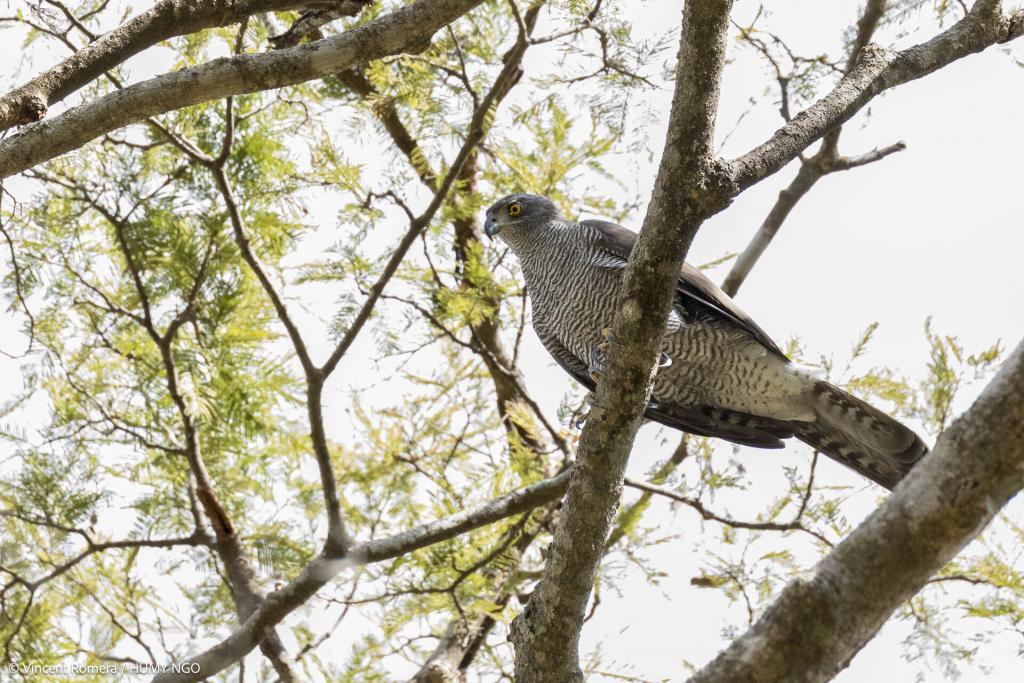
Henst's goshawk (Accipiter henstii) - Adult female