



The local context
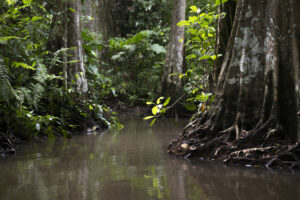
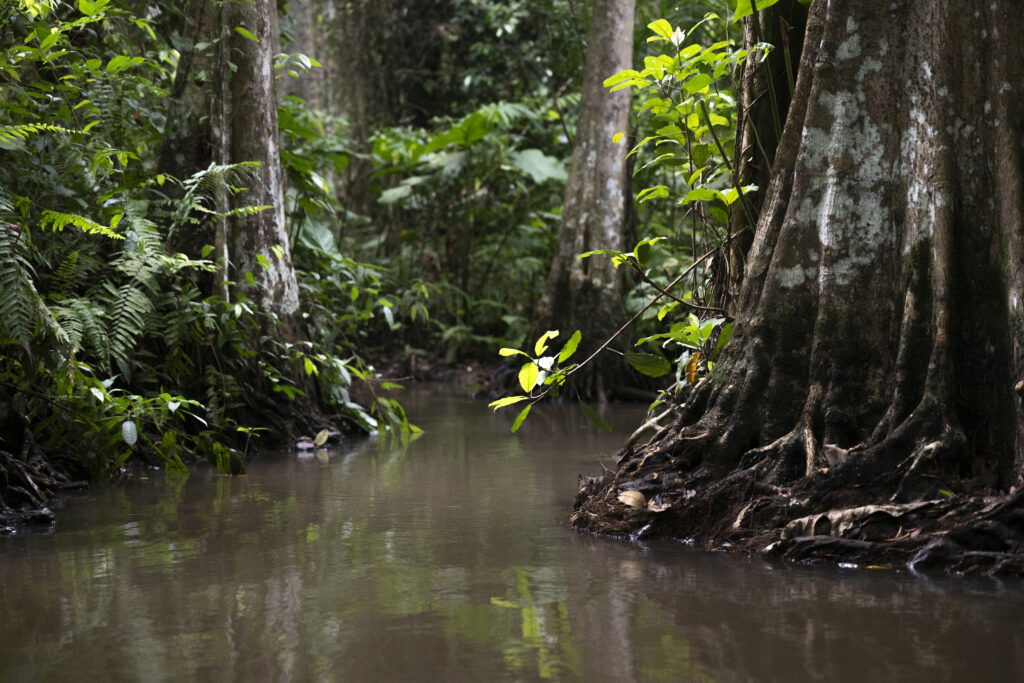
Hlanzoun is a unique forest in West Africa. It is a swampy forest on peaty soil with plant formations that have now disappeared in the region. This makes it a unique site of great importance for the conservation of biodiversity on a national and supranational scale.
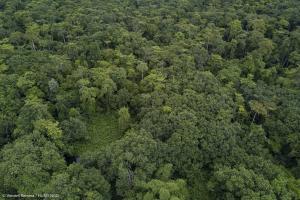 It has a surface area of 2,945 hectares, of which the central core, in a relatively good state of conservation, is around 900 hectares. This swamp forest is permanently fed by the stream Hlan.
Hlanzoun is a fragile ecosystem threatened by a variety of human pressures, including logging, illegal clearing, poaching and the establishment of oil palm plantations.
Project objectives
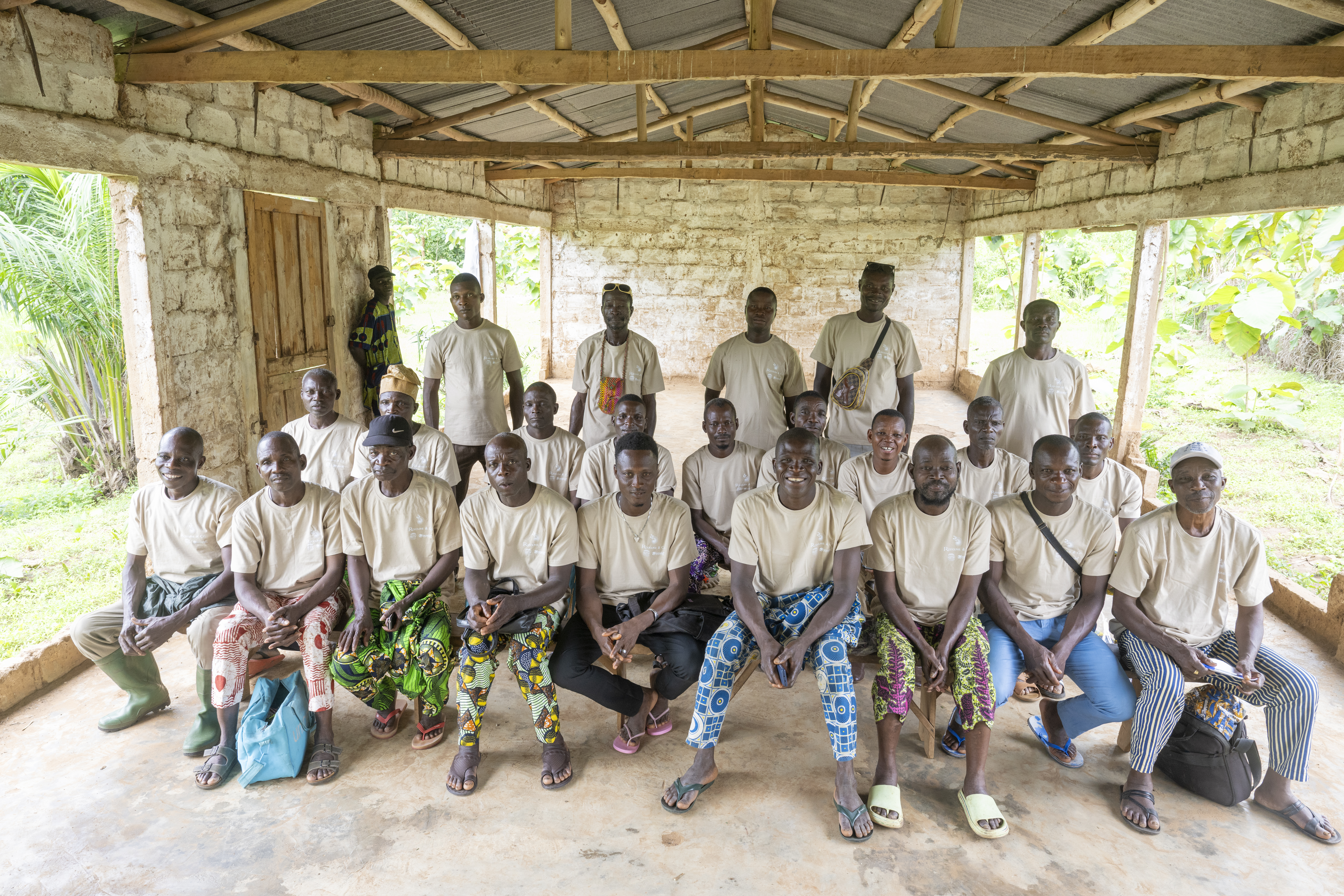
A forest watch Hlanzoun is essential to reduce poaching and the felling of trees (to grow crops or make charcoal). HUMY has recruited 34 eco-guards who work in pairs, spread across the 17 villages bordering the forest. Their job is to watch over the forest and share the observations made during their patrols. An important part of their work also involves raising villagers' awareness of Hlanzoun's conservation issues.
The aim of the project is to ensure the long-term future of the 34 ecoguards, as well as providing them with better equipment.

Already completed
34 eco-guards have been recruited, spread across the 17 villages.
HUMY and ECODEC are now working on technical equipment for the eco-guards so that they can take GPS readings during patrols, and transmit and accurately record observations made in the field (sightings of a particular species, illegal activities, etc.).
Issues
Following the important work on the biodiversity of the Hlanzoun forest carried out by HUMY and ECODEC in 2021, the population, local political authorities and government departments have signed up to a conservation project for Hlanzoun. While the will is there, it is today Patrols need to be put in place to ensure a regular presence in the forest, enabling activities to be monitored, regular dialogue with forest users and ongoing public awareness-raising. This means providing a decent income for the ecoguards and their families.
Training is also a key element in ensuring effective patrols but also enable the ecoguards to meet up and share their different experiences in the field.

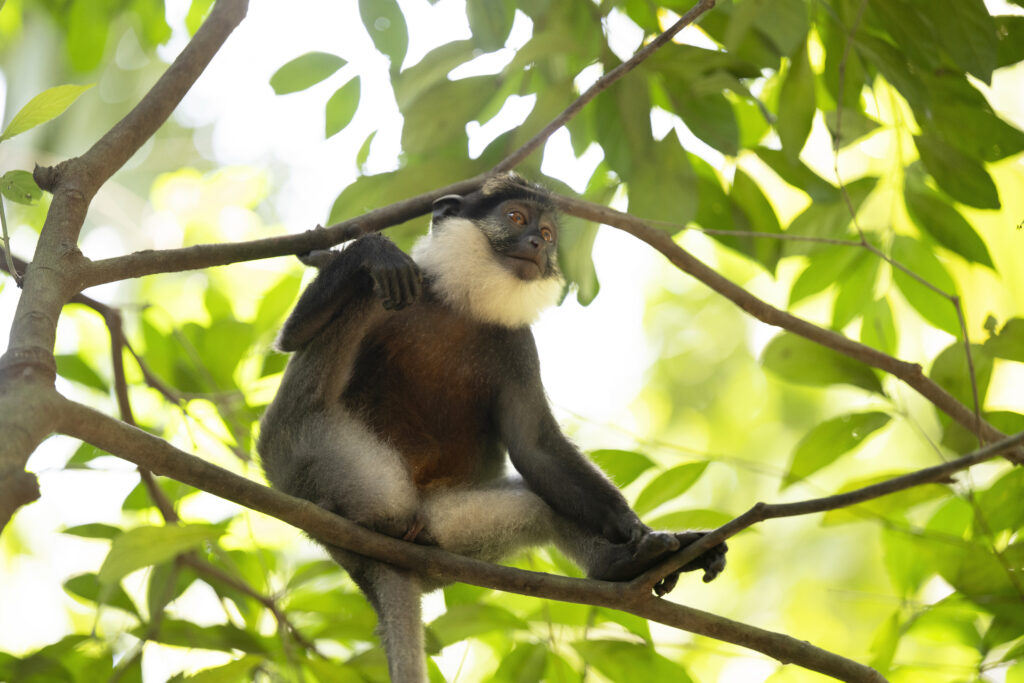
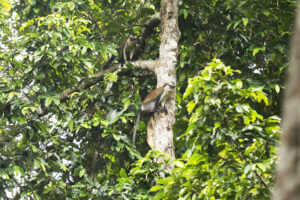
Red-bellied monkey (Cercopythecus erythrogaster erythrogaster)
Encouraging initial results
Since the introduction of the first patrols and other income-generating activities, some primates (notably the Mones) have shown less fearful behaviour towards villagers, although fortunately they remain at a distance. This is a first encouraging sign that human pressure on wildlife is diminishing.