
The local context
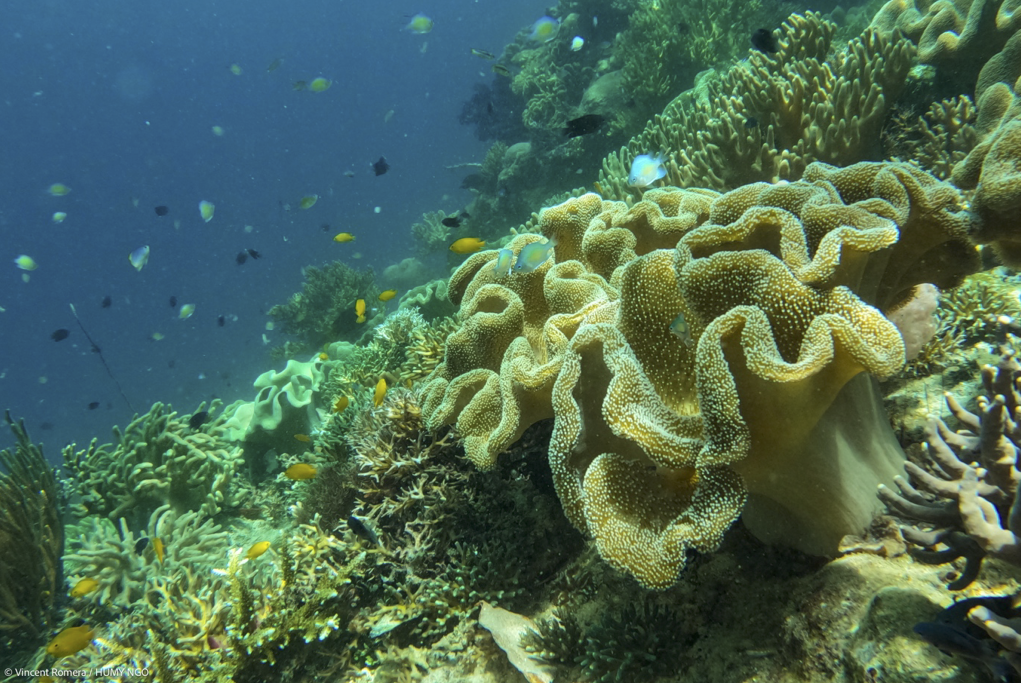
Coral reefs are among the most important marine ecosystems in many respects! Carbon storage, water filtration, oxygen production, breeding grounds, etc. - the ecosystem services they provide are vital to life on Earth. Yet all over the world, they are in decline due to a variety of factors: acidification and warming of waters, pollution, direct destruction (fishing with explosives or cyanide)... the situation is alarming. In Sulawesi Tenggara, right in the heart of the Coral Triangle, the pressures threatening the reefs are compounded by the proliferation of a natural predator of coral. The predator in question is the starfish Acanthaster planci (or crown of thorns), a species that feeds directly on coral, can suddenly appear en masse and destroy entire reefs.
Project objectives
Limiting the spread of the’Acanthaster planci by monitoring fishing communities and eliminating individuals directly if populations explode (by injecting vinegar or lemon juice - a technique that has no impact on the environment).
Organise coral reef restoration sessions using cuttings from structures planted on the seabed.
Organise mangrove plantations in areas where mangroves have disappeared.
Raising public awareness of environmental issues relating to the marine environment.

Issues
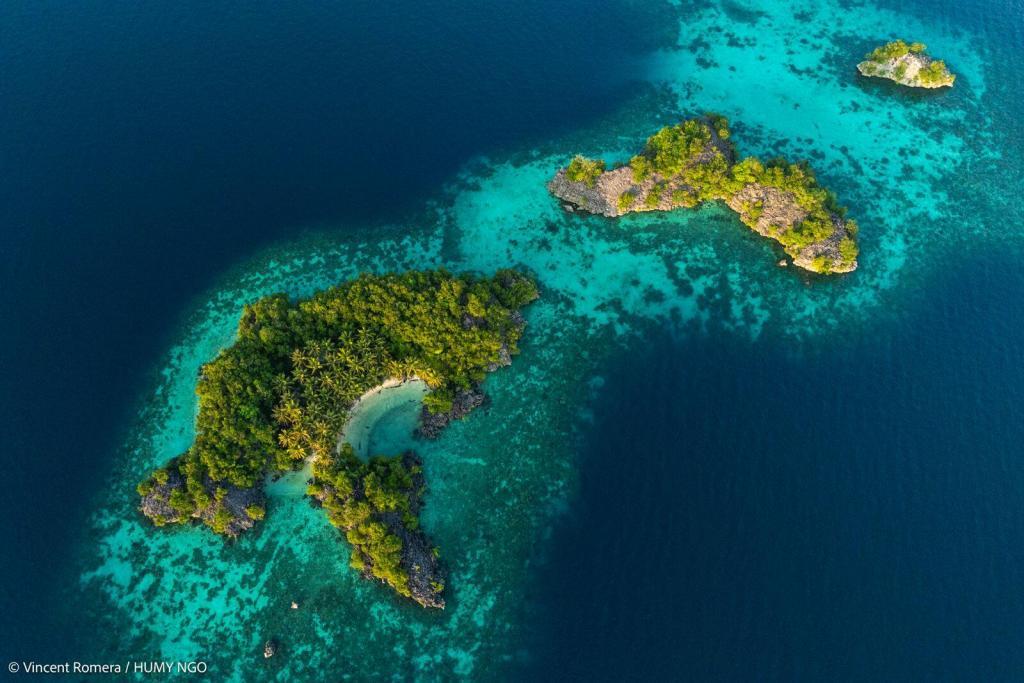
The Coral Triangle is home to 76% of known coral species and 37% of reef fish, represents over 30% of the world's coral reef surface, is home to 6 of the 7 species of marine turtle and is a breeding ground for many species in the Indian and Pacific Oceans. More than 120 million people depend directly on the resources of the Coral Triangle for their survival. Although the’acanthaster is probably not the biggest threat to Sulawesi's reefs (mining, plastic pollution, etc.), this programme is helping to reduce one of the pressure factors at work on these key ecosystems. It also raises awareness of the environmental cause among a wide range of audiences and encourages young people to take responsibility for issues that are crucial to their own future.
Hawksbill turtle (Eretmochelys imbricata)
Alert
Since the opening and proliferation of nickel mines in the region (2014), Bajau fishing communities report that fish are disappearing from fishing grounds. The region's Marine Protected Areas have not been spared, and even within them coral reefs are buried and destroyed by toxic sediments from the mines!