


The local context
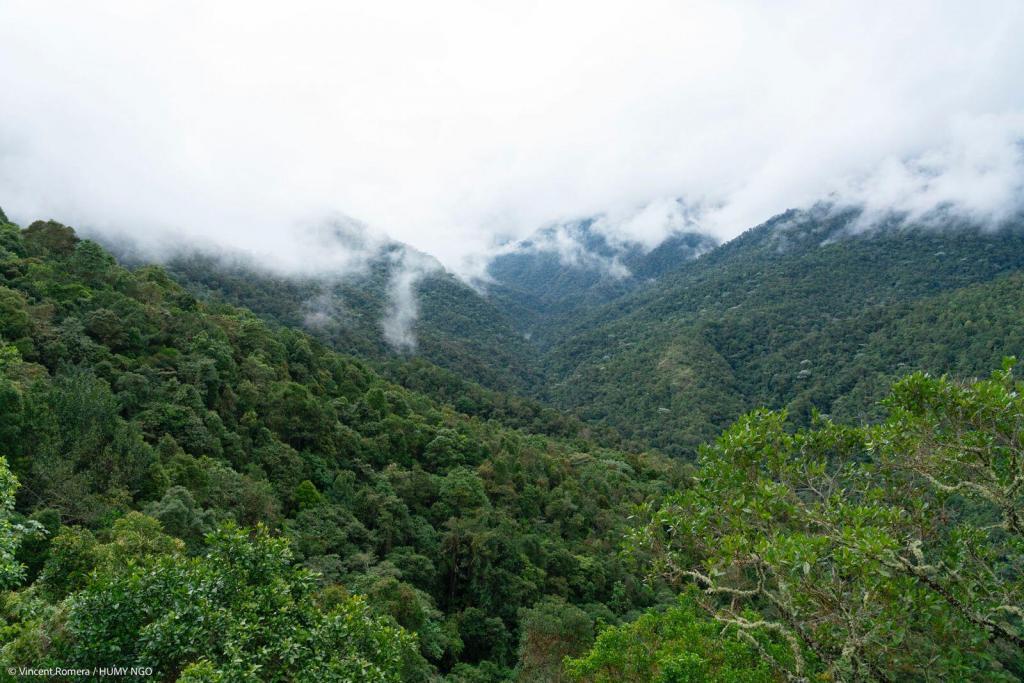
Cali's Farallones National Park is a mecca for biodiversity, a recognised national park among ornithologists, with almost 800 species of bird recorded! Many other species of flora and fauna are also endemic to this part of Colombia's Cordillera Occidental. Once largely food-producing, local agriculture has shifted in recent years to the production of sunflowers to supply the florists' market in nearby Cali. Conventional sunflower production uses large quantities of fertiliser and other plant protection products. These rapidly expanding commercial crops are gaining more and more ground in the National Park, leading to conflict between the local population and the managers of the protected area. Coffee is an agricultural product that can have good added value, particularly if it is produced organically.
Issues
Reducing the use of chemical agricultural products is a major challenge in this region where water is a source of tension. Located on the eastern slopes of the Cordillera Occidental, the project area lies in a watershed that supplies the plain of Cali (a city of over 2.5 million inhabitants). Protecting water resources involves reducing inputs and chemical treatments. Converting to organic production also helps to encourage biodiversity on the plots, which ultimately has financial benefits for the farmers. Studies have shown, for example, that insectivorous birds limit the populations of insects that cause agricultural damage, such as the coffee berry borer (Hypothenemus hampei), can save farms considerable sums (in net loss of production per hectare and in the purchase of insecticides).
Red-tailed Squirrel (Sciurus granatensis
Findings
Assessment of the faunal richness of a number of plots in 2024 showed a fairly significant difference in bird diversity between shaded coffee plots and plots without trees. The diversity of bird communities in shaded plots, or plots bordered only by trees, was higher than in plots of open field coffee, particularly for insectivores. Offering more strata and niches for species, shaded plots have a greater «carrying capacity» for species.
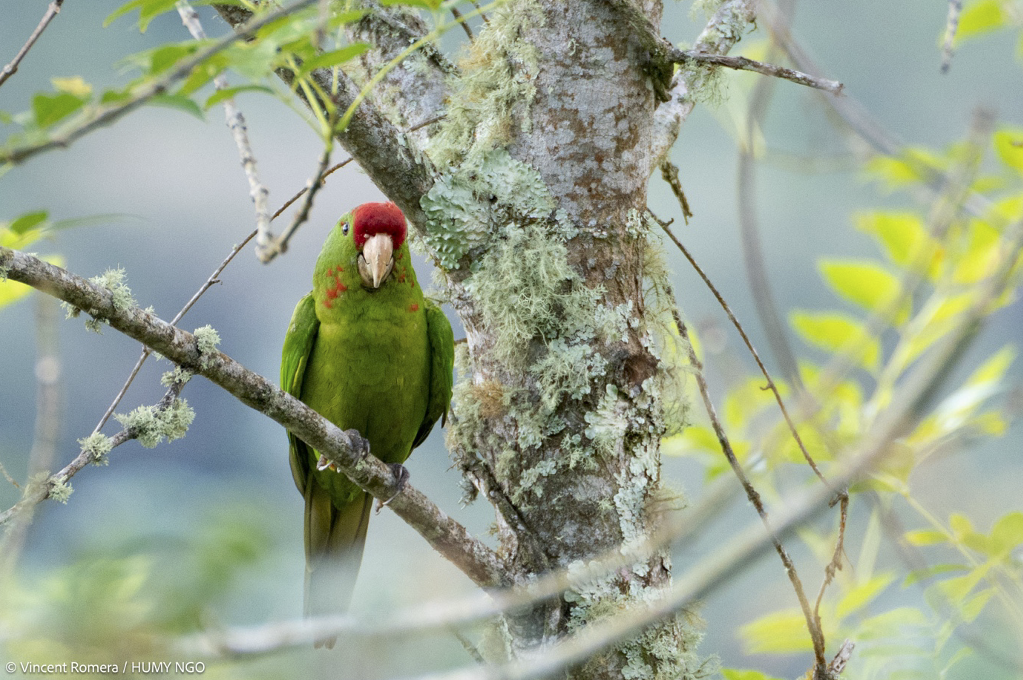
Scarlet-fronted Parakeet (Psittacara wagleri)